
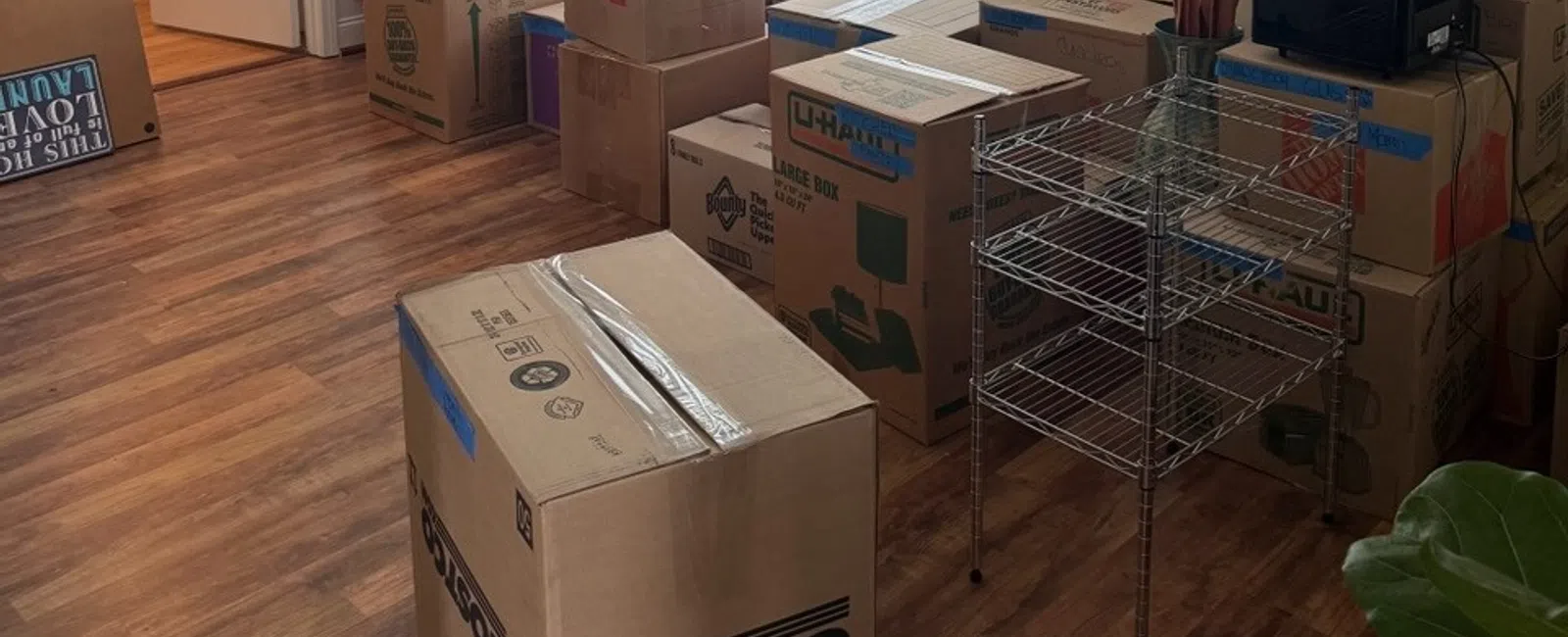
Packing an entire home can quickly become one of the most time-consuming parts of moving. Without a plan, you can end up surrounded by half-packed boxes, misplaced essentials, and rooms that still need attention a few days before the moving truck arrives.
The good news is that packing becomes much easier when you break the process into smaller steps.
Whether you are moving across town, relocating to another state, or preparing for a long-distance move, this guide covers how to pack efficiently, protect your belongings, and stay organized from the first box to moving day.
1. Start Packing Earlier Than You Think
One of the easiest ways to reduce moving-day stress is to start before the move feels urgent.
For most households, beginning about four to six weeks before moving day gives you enough time to pack gradually instead of trying to complete everything during the final weekend.
Start with items you rarely use, including:
- Seasonal decorations
- Extra bedding and linens
- Books
- Collectibles
- Off-season clothing
- Guest-room items
- Specialty kitchen appliances
Save everyday necessities for the final week.
If you have a larger home, garage, attic, basement, or several storage areas, consider starting even earlier.
2. Create a Moving and Packing Checklist
Before filling boxes, create a simple moving checklist so you know what needs to happen and when.
Your list might include:
- Reserving your moving company
- Ordering boxes and packing supplies
- Decluttering each room
- Packing nonessential belongings
- Changing your address
- Transferring utilities
- Confirming moving-day arrangements
- Packing an essentials bag
- Completing a final walkthrough
A checklist keeps smaller tasks from getting lost while you focus on packing the house.
3. Declutter Before You Pack
There is no reason to spend time, boxes, and moving costs transporting belongings you no longer want.
Before packing each room, separate items into four categories:
Keep: Items moving to your new home.
Donate: Clothing, furniture, household items, and other usable belongings you no longer need.
Sell: Higher-value items that are worth selling before the move.
Discard: Broken, damaged, expired, or unusable items.
Decluttering first can significantly reduce the number of boxes you need to pack, move, and unpack.
4. Gather the Right Packing Supplies
Good packing materials make a noticeable difference when protecting your belongings.
Useful moving supplies include:
- Small, medium, and large moving boxes
- Heavy-duty packing tape
- Packing paper
- Bubble wrap
- Stretch wrap
- Furniture blankets
- Permanent markers
- Box labels
- Mattress bags
- Wardrobe boxes
- Dish or glass dividers
Avoid relying entirely on worn or damaged boxes from stores. Boxes that have been exposed to moisture or repeatedly folded may collapse when stacked.
5. Use the Right Box for the Right Items
One of the simplest packing tips is also one of the most important: heavy items belong in small boxes and lightweight items belong in larger boxes.
Small boxes work well for:
- Books
- Canned food
- Small appliances
- Tools
- Heavy decorative items
Large boxes are better for:
- Pillows
- Blankets
- Towels
- Comforters
- Lightweight clothing
This makes boxes easier to carry and helps prevent the bottoms from failing.
6. Pack Boxes Completely Without Making Them Too Heavy
A partially filled box can collapse when other boxes are stacked on top of it, while an overloaded box can become difficult or unsafe to lift.
Fill empty spaces with:
- Packing paper
- Towels
- Linens
- Bubble wrap
Try to distribute weight evenly throughout the box.
As a general rule, boxes should be manageable for one person to safely lift and carry.
7. Label Every Box Clearly
Good labeling saves a surprising amount of time once you arrive at your new home.
Write both the destination room and a short description of the contents on each box.
For example:
Kitchen — Pots, Pans & Baking Sheets
or
Primary Bedroom — Winter Clothes
Label the top and at least one side of the box so you can still identify it when boxes are stacked.
You can also assign each room a color to make sorting even faster.
8. Number Your Boxes
For additional organization, number each box and keep a basic inventory.
For example:
Kitchen 1 of 8
Kitchen 2 of 8
This makes it easier to recognize if something is missing.
For valuable or important belongings, keep a more detailed inventory on your phone or in a spreadsheet.
9. Pack Fragile Items Carefully
Fragile items should never be packed loosely inside a box.
Wrap each piece individually and use additional cushioning between items.
For dishes and glassware:
- Wrap pieces individually.
- Place heavier items toward the bottom.
- Use dividers when possible.
- Fill empty spaces with packing material.
- Avoid leaving room for items to shift.
Plates are often safer when packed vertically rather than stacked flat.
Clearly mark these boxes as FRAGILE so anyone handling them knows they require extra care.
10. Keep Important Documents and Valuables With You
Some belongings should not go into the moving truck.
Keep items such as these with you:
- Identification
- Passports
- Social Security cards
- Birth certificates
- Financial documents
- Medication
- Jewelry
- Small electronics
- House keys
- Vehicle keys
- Moving paperwork
Place them in a bag, folder, or small container that stays with you throughout the move.
11. Pack an Essentials Box for the First Night
You probably will not unpack your entire house the day you move in.
Prepare a clearly labeled first-night box or suitcase containing everything you might need during the first 24 hours.
Consider packing:
- Toiletries
- Toilet paper
- Towels
- Bedding
- Change of clothes
- Phone chargers
- Medication
- Coffee supplies
- Basic cookware
- Paper plates and utensils
- Pet supplies
- Cleaning products
- Basic tools
Load this box last so it is easy to access when you arrive.
12. Take Photos Before Disconnecting Electronics
Before unplugging televisions, computers, routers, gaming systems, or entertainment equipment, take a photo of the cables.
The photo gives you a quick reference when reconnecting everything at the new home.
Keep cables with the device they belong to whenever possible. Small cords and accessories can also be placed in labeled zip-top bags.
13. Pack One Room at a Time
Jumping between rooms usually makes packing feel more chaotic.
Instead, finish one area before moving to the next.
A practical order might be:
- Storage areas
- Guest rooms
- Formal dining or living spaces
- Home office
- Bedrooms
- Kitchen
- Bathrooms
- Everyday essentials
This also makes it easier to track your progress.
14. Prepare Furniture Before Moving Day
Packing is not limited to boxes.
Before moving day, prepare larger furniture by:
- Emptying drawers when necessary
- Removing loose shelves
- Securing doors and drawers
- Removing detachable legs
- Protecting corners
- Wrapping finished surfaces
- Bagging and labeling hardware
If furniture needs to be disassembled, place screws, bolts, and other hardware in a labeled bag and keep it with the furniture.
Taking a few photos before disassembly can also make reassembly easier.
15. Know When Professional Packing Help Makes Sense
Packing an apartment or small home may be manageable on your own. Larger homes, complicated moves, or tight schedules can be a different story.
Professional movers may offer:
- Full-home packing
- Partial packing
- Fragile-item packing
- Furniture protection
- Loading and unloading
- Transportation
- Unpacking services
Professional packing can be especially useful for valuable artwork, antiques, glassware, electronics, large households, or long-distance moves.
Even if you plan to pack most of the home yourself, you may be able to hire movers to handle only the rooms or belongings that require additional care.
A Simple Packing Timeline
A basic packing checklist for moving can help keep the process manageable.
4-6 Weeks Before Moving
Declutter the home, gather packing supplies, and begin packing belongings you rarely use.
2-3 Weeks Before Moving
Pack decorations, books, extra linens, seasonal clothing, and most nonessential household items.
1 Week Before Moving
Pack most remaining belongings while leaving out only what you regularly use.
Confirm arrangements with your movers and prepare furniture for moving day.
1-2 Days Before Moving
Finish packing.
Prepare your essentials bag, medications, documents, chargers, cleaning supplies, and anything traveling with you personally.
Moving Day
Complete a final walkthrough and check:
- Closets
- Cabinets
- Drawers
- Attic
- Basement
- Garage
- Outdoor storage areas
Make sure your essentials and important documents remain with you.
Need Help Packing or Moving in Atlanta?
Packing an entire home takes time, and you do not have to handle every box yourself. Midtown Moving & Storage can help with as much or as little of the process as you need, from packing fragile belongings to handling the entire move.
If you would rather leave the packing to professionals, explore Midtown's packing services for full or partial packing assistance. Planning a move nearby? Their Atlanta local movers can handle packing, loading, transportation, and unloading throughout Metro Atlanta.
For moves beyond the area, Midtown also provides long-distance moving services, while customers who only need an extra set of hands can use their moving labor and moving help for loading or unloading.
Need somewhere to keep your belongings between homes? Learn more about moving and storage options. You can also review Midtown's moving pricing guide before requesting an exact quote.
Whether you are packing everything yourself or handing over the entire process, Midtown can build the move around the level of help you actually need.
Ready to get started? Request a moving quote from Midtown Moving & Storage.